Diagnostic & Preventive Screening: The View Inside
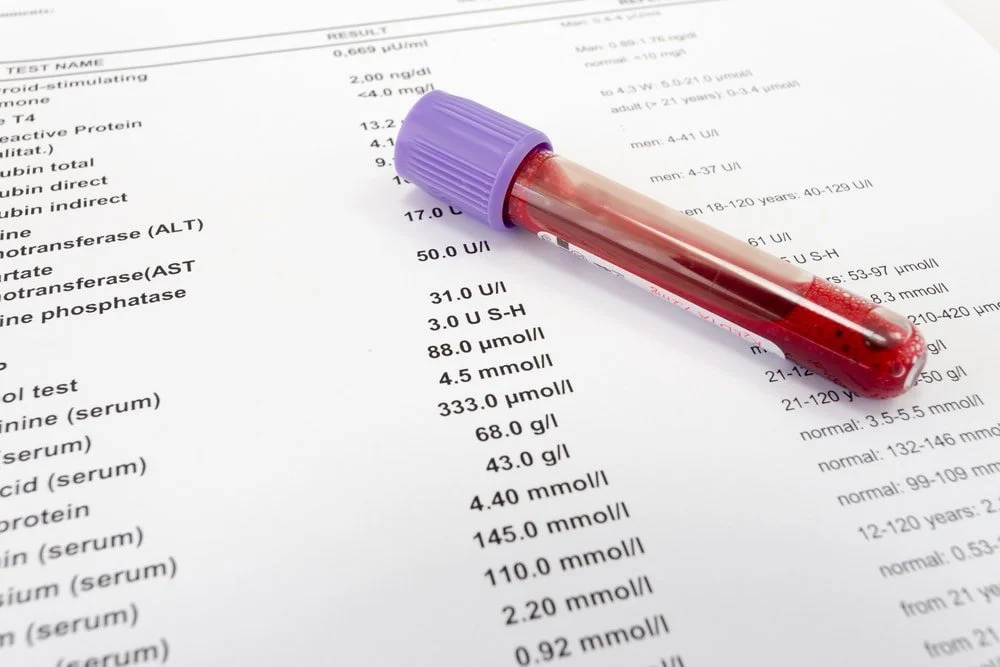
At Hamilton Crossing Animal Hospital, our annual diagnostic screening panels are powerful tools for seeing what the eye cannot. These simple blood and urine tests allow our veterinarians to assess your pet's organ function, track health trends over time, and detect diseases in their earliest stages—often long before any visible symptoms appear. This commitment to preventive medicine ensures the longest, healthiest life possible for your companion.
Intestinal Parasite Screening (Fecal Test)
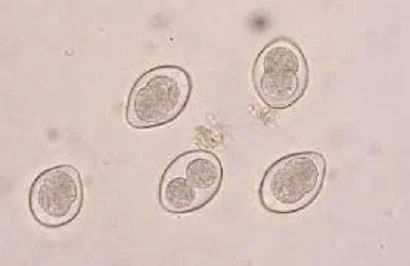
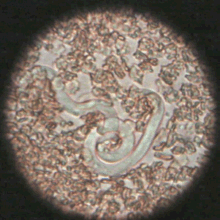
We recommend a fecal test every 6 months for all dogs and cats. This quick, non-invasive microscopic exam checks for the eggs, cysts, or larvae of common intestinal parasites.
Why We Test Every Six Months
Detection Window: We test every six months because of the parasite life cycle. Once a pet is infected, it can take several weeks for the parasite to mature and begin shedding eggs that are detectable in a fecal sample. A 6-month interval helps ensure we don't miss an infection that began shortly after the last negative test.
Pets Can Show NO Symptoms: Many pets, particularly healthy adult dogs and cats, can carry and shed parasite eggs without ever showing visible signs of illness, yet they still pose a risk of infection to other pets and humans.
Preventing Environmental Contamination: Regular testing and deworming help reduce the shedding of parasite eggs into the environment (like your yard or dog park), which protects other pets and lowers the risk of human exposure.
High Risk for Young Pets: Puppies and kittens are especially vulnerable to severe illness from parasites like roundworms and hookworms, which can be passed from the mother. Frequent testing is essential to ensure they are parasite-free during their critical early development.
Canine Diagnostic Screening
For all dogs, we include annual screening for heartworm and tick-borne diseases. We then offer personalized wellness bloodwork based on your dog's age to establish a critical health baseline.
Annual 4Dx Test (Heartworm and Tick Screening)
We test all dogs yearly with the 4Dx Snap Test, which requires just a small blood sample. This test is essential even for dogs on year-round preventatives.
Heartworm Disease: Detects the presence of heartworm antigens. Heartworms are spread by mosquitoes and cause severe, life-threatening damage to the heart and lungs. Annual testing ensures your preventative is working and allows for early, safer treatment if infection occurs.
Tick-Borne Diseases: Screens for exposure to four common tick diseases such as Lyme Disease, Ehrlichiosis, and Anaplasmosis. Ticks transmit these bacteria, which can cause fever, joint pain, lethargy, and sometimes severe bleeding or organ damage. Early detection allows for prompt treatment and helps protect your dog from chronic complications.
Wellness Bloodwork Panels (Age-Based)
Under 5 Years Old: CBC, Chem 14, SDMA- Establishes a baseline for future comparisons. This panel checks blood cell counts (CBC) for infection and anemia, evaluates basic organ function (Chem 14), and includes the highly sensitive SDMA kidney marker to catch early kidney changes.
Over 5 Years Old: CBC, Chem 27, SDMA, Total T4, Urinalysis-This comprehensive panel provides deep insight into senior health. The Chem 27 expands the organ check. SDMA is critical for early kidney disease. Total T4 screens for hypothyroidism (common in dogs). Urinalysis provides essential information about kidney function, hydration, and screens for infection/diabetes.
Optional Cancer Dx Screening (Add-on Test)
We offer the IDEXX Cancer Dx Screening as an optional add-on for dog owners who want a proactive measure against cancer, which is a leading cause of death in older dogs.
What it is: This revolutionary new blood test detects circulating biomarkers that are highly specific to Canine Lymphoma, one of the most common cancers in dogs.
Why it's important: According to IDEXX, this screening test has the potential to detect lymphoma before clinical signs are even present, giving us a critical head start. Finding cancer early means we can discuss treatment options and a monitoring plan while your dog is still feeling well, potentially improving their prognosis and quality of life.
Feline Diagnostic Screening
Cats are masters at hiding illness, making annual blood and urine screening even more vital. We customize testing to address their specific risks, particularly chronic kidney disease and hyperthyroidism.
Wellness Bloodwork Panels (Age-Based)
Under 5 Years Old-CBC, Chem 14, SDMA: Establishes a vital baseline while your cat is healthy. This checks for infection/anemia (CBC) and monitors basic organ function (Chem 14), including the SDMA kidney marker.
Over 5 Years Old-CBC, Chem 25, SDMA, Total T4, Urinalysis, Cardiopet proBNP: This senior panel is tailored to common feline diseases. The Chem 25 expands organ assessment. SDMA is essential for detecting the subtle onset of Chronic Kidney Disease (CKD). Total T4 screens for Hyperthyroidism (a common disease in older cats). Urinalysis gives crucial insight into kidney concentration and urinary health. The Cardiopet proBNP is a heart health biomarker that helps screen for early, hidden heart disease (cardiomyopathy).
FeLV/FIV Screening: Protection for Your Cat and Others
We strongly recommend testing all cats and kittens for Feline Leukemia Virus (FeLV) and Feline Immunodeficiency Virus (FIV), particularly when they are newly adopted or introduced into your household. These viruses are widespread and can be transmitted through bite wounds (FIV) or close, prolonged contact (FeLV).
Feline Leukemia Virus (FeLV): This virus is a serious and often fatal disease that significantly weakens the cat's immune system, making them susceptible to other infections and certain types of cancer, including lymphoma. It is primarily spread through saliva (e.g., shared food/water bowls, mutual grooming).
Feline Immunodeficiency Virus (FIV): Similar to HIV in humans, FIV attacks and cripples the cat's immune system, leaving the cat unable to fight off common infections. It is most commonly transmitted through bite wounds during fights.
Why We Test: Early detection of these viruses is critical because they are incurable and severely impact a cat's immune system, leading to chronic illness and a shorter lifespan. Knowing a cat's status allows us to:
Monitor Health: Initiate proactive monitoring and treatment plans to maximize the cat's quality of life.
Protect Other Pets: Prevent the spread of the virus to other cats in the home.